
The Technology Name Is Now the Search Term
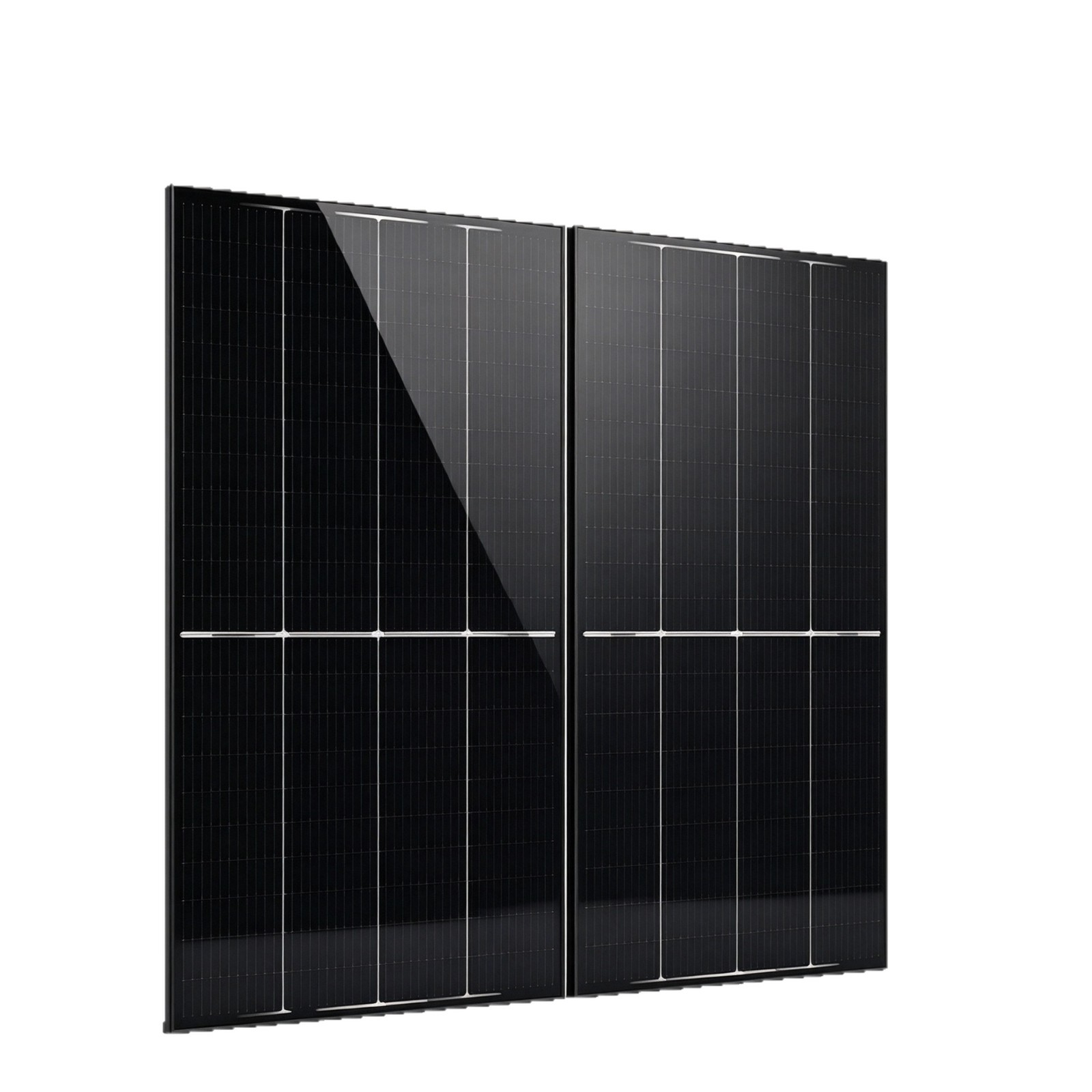
A few years ago a project enquiry said solar panels and a wattage. Today it is more likely to name the cell technology, the glass configuration and the wattage class in the same sentence, because the difference between a P-type workhorse and an N-type TOPCon bifacial module changes yield, degradation and structure loading. Buyers who have been through one tender know that a generic panel description cannot be priced or approved.
That shift is useful for a sourcing page. The generic head term belongs to retail and review sites; the technology-qualified phrase belongs to a project buyer holding a bill of materials. We are a China sourcing agent and freight forwarder, not a module manufacturer, so this page is about the evidence that has to exist before a container is paid for. The wider equipment view sits in our solar, storage and power equipment hub, and the BOM-level detail in our modules and balance of system guide.
Four Decisions That Change the Whole Container
Cell technology and wattage class come first, but the next three are where quotes stop being comparable. Glass-glass or glass-backsheet construction changes weight, handling and the mounting calculation. Frame, junction box and connector choices determine what the BOS kit must mate with. Packaging density determines how many modules fit a pallet and how many pallets fill a container. Ask every supplier to quote the same configuration under the same delivery term, or the numbers describe different goods.
Environment is a specification, not a footnote. Coastal sites may need salt-mist evidence, agricultural sites may need ammonia evidence, and high-albedo ground changes what a bifacial rear side is worth. Those references cover the module only; the structure, cables, fasteners and connectors need their own material and corrosion decisions. Our factory verification process checks the real producer before a deposit moves.
The Three-Part Evidence Chain
Design qualification and safety are separate references: IEC 61215 covers design qualification under defined stress tests, IEC 61730 covers module construction and safety. A report for one configuration does not automatically cover a different glass, frame, junction box, connector or encapsulant. Then comes production evidence for the batch in front of you: a flash test record for rated power and electroluminescence imaging for cracks and cell defects. A beautiful certificate with no EL images is a marketing document.
Public sourcing commentary attributes a large share of PV consignment detentions to paperwork that is forged, expired or names a different model. The cheapest control is a five-minute cross-check of the model on the report, the nameplate, the quotation and the carton label. We collect, sort and flag those files, but issue nothing and offer no legal opinion. Our pre-shipment inspection service describes how the production checks are recorded.
| Check | What it catches | Evidence to retain |
|---|---|---|
| Model match | Certificates describing another build | Report cover, nameplate photo, quotation and carton label side by side |
| Flash test | Power below the nameplate tolerance | Batch flash list with serial ranges and test conditions |
| EL imaging | Hidden cracks and broken fingers | Dated EL images matched to sampled serials |
| Packing audit | Corner damage and moisture ingress | Pallet pattern, corner protection, carton marks and loading photos |
What a Sample Approval Should Actually Contain
A single module on a desk proves very little. Agree a written protocol with sample size, sampling basis, the visual and dimensional checks, the flash and EL records, and the action when a unit fails. Settle who funds rework, who signs the release and who keeps the failed samples. Freeze the bill of materials to a retained reference unit and require written notice before any component substitution, because a mid-run change to the encapsulant or connector can invalidate the very reports you just checked.
Trade Rules and the Landed-Cost Conversation
China ended the export VAT rebate for photovoltaic products in April 2026 and scheduled a further step for batteries, so a price copied from an older catalogue is not a quotation. Ask for a dated proforma invoice with the Incoterm, named port or address, packing configuration and validity. Destination trade measures, local content rules and labelling duties are separate again; our DDP service page explains where the delivery term and importer of record meet, and our Germany guide covers one destination side in detail.
Consolidation Is the Real Saving
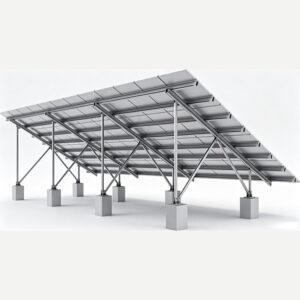
Modules are heavy and fragile, racking is long, inverters are dense and BOS parts arrive from a fourth workshop. Consolidating them into one shipment with one customs entry usually beats four consignments each carrying fixed charges, but only if the pallet pattern, carton strength and loading sequence are planned before production. Our consolidation guide explains the mechanics, and our packaging guide covers carton artwork separately from hardware.
Frequently asked questions
Can you supply modules with our own label?
Yes, subject to the model-matched reports still describing the build. Artwork, a fixed model name and translated documentation are straightforward; a change to glass, cells, junction box or connector is a hardware change with a fresh approval file. We state the split in writing before work starts.
Do the IEC reports you collect guarantee market approval?
No. A design qualification report, a safety report, a declaration of conformity and an import classification answer four different questions. We sort the paperwork and flag model mismatches; a licensed broker or local adviser must confirm the final position for your market.
Can we mix two wattage classes in one container?
Sometimes, but it changes the pallet pattern, the documents and the loading sequence. Tell us at enquiry stage so the quotation describes the actual mix. We publish no rate or transit window here because both move with density, destination and volume.
What should a first enquiry contain?
Cell technology and wattage class, glass and frame preference, project location and environmental exposure, quantity breaks, the certificate set your lender or consultant expects, artwork and packing needs, and whether samples come first. A tender excerpt or a link to the current listing is enough to begin via our contact page.
Need a Quote? Message Us on WhatsApp
You have reached the end of the module specification, so here is the direct line. Send the wattage class, project location, quantity breaks and the certificate set your lender or consultant requires, and we will return comparable quotations, sample options and a shipping plan.
Chat on WhatsApp → Use the Quote Form
WhatsApp and phone: +86 186 7676 3055 | Email: info@cinosourcing.com | www.cinosourcing.com
It helps to name the mounting condition, coastal or agricultural exposure, the accepted test laboratories, pallet and packing requirements, and whether you need EL images with the batch. A datasheet, a tender excerpt or a link to the current listing is enough to start.
Reviews
There are no reviews yet.