
The Part of the BOM Nobody Owns
Every solar project has a balance of system, and almost none of it comes from the factory that made the modules. Rails come from an aluminium extruder, clamps and fasteners from a hardware shop, DC cable from a wire mill, connectors from a fourth supplier, and the combiner box from a panel assembler. Each will quote happily. None is accountable for whether the five arrive on the same vessel with a matched connector, a correct carton count and documents describing the same configuration.
That gap is the work. CinoSourcing is a China sourcing agent and freight forwarder, not a racking manufacturer, and this page describes how a project BOM becomes one controlled shipment. Our equipment sourcing hub sets the wider context; our modules and BOS guide goes into the technical list.
Start From the Structure, Not the Parts List
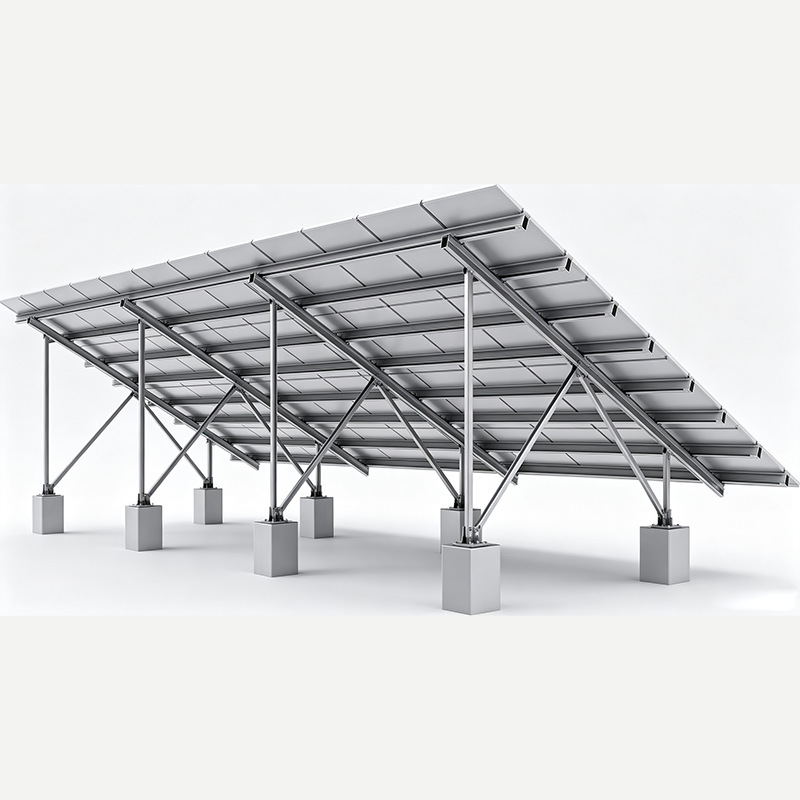
Rooftop rails, ground-mount frames and trackers are different engineering products with different load calculations. Write down the roof or ground type, wind and snow assumptions, corrosion class for coastal or industrial sites, module dimensions and the clamping zones the module maker permits. A racking quote without a structural basis is a price for metal, not for a structure your engineer can approve. Ask for the material grade, coating or anodising specification, fastener standard and the calculation or test evidence behind the stated loads.
Then confirm the interface. The rail must suit the module frame, the clamp must suit the frame thickness, and the earthing and cable routing must suit the site layout. These are the small mismatches that cost a day of installation labour per container. Our factory verification process covers how the real producer and its export history are checked before a deposit moves.
Connectors Look Alike and Are Not Alike
This is the single most expensive assumption in a BOS order. Two connectors can appear mechanically identical and still be different products with different contact geometry, sealing behaviour and current ratings, and mixing them across brands can void approvals and cause hot joints. Get a written mating-compatibility statement from the connector supplier covering the exact cable and the exact mating part. Cable references such as IEC 62930 and connector references such as IEC 62852 describe test regimes; they do not make two unrelated products interchangeable.
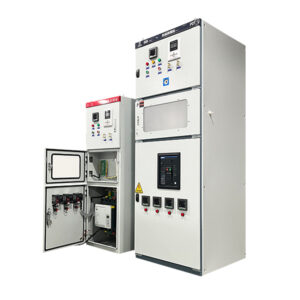
Add UV and temperature rating, conductor cross-section, bending radius and the outdoor lifetime assumption to the enquiry. A combiner box brings its own decisions about fuses, surge protection, disconnects, ingress rating and busbar layout. We collect the component reports, check that each names the part actually shipped and flag substitutions; we are not a certification body and offer no legal opinion.
| BOS group | Typical failure | Evidence to hold |
|---|---|---|
| Rails, clamps, fasteners | Load or corrosion assumption never stated | Material certificates, coating spec, structural calculation, clamp interface drawing |
| DC cable | Wrong cross-section or outdoor rating | Cable datasheet, marking photos, UV and temperature rating, length schedule |
| Connectors | Look-alike parts mixed on site | Written mating-compatibility statement and component report for the exact pair |
| Combiner and protection | Unclear box layout and ingress rating | Single line sketch, fuse and SPD list, enclosure rating, functional test record |
Carton-Level QC Is the Whole Job
A BOS order fails on missing pieces far more often than on broken ones. Agree a written protocol before the deposit: sample size, dimensional checks on rails and clamps, connector crimp pull tests, cable marking and length verification, combiner box function checks, and a complete carton count against the BOM with a packing photo for each carton type. Bag small parts so loose items are not reported missing on arrival. Our pre-shipment inspection service describes how that evidence is captured; our origin-side preparation service covers fulfilment-centre labelling.
Why Consolidation Is the Product
Long rails are bulky, cable reels are heavy, connectors are tiny and combiner boxes are fragile. Shipped separately, each consignment carries its own fixed charges, its own customs entry and its own chance of arriving a week after the others. Consolidated properly, the same BOM travels as one shipment with one document set and a planned loading sequence. We arrange that consolidation, export paperwork, clearance and final delivery, and state in writing who is importer of record. Our DDP service page explains the delivery-term side, and our consolidation guide covers the mechanics.
Artwork sits outside the hardware decision: a printed carton, a label set and an installation manual in the required languages can be approved without changing a rail. Changing a clamp profile, cable gauge or connector model cannot. Our packaging guide and private label guide mark that boundary.
Frequently asked questions
Can we order just one part of the BOM?
Yes. Tell us which lines you need and which you already hold, and we will quote the same specification. The value of a full kit is one accountable document set and one shipment, not a requirement to buy everything.
Will connectors from two suppliers work together?
Only with written confirmation from the connector maker. Visual similarity is not compatibility, and mixing unrelated parts can void approvals. We ask for the mating statement covering the exact cable and mating part before the order is placed.
Do you supply structural calculations?
We request the material evidence and the supplier’s calculation or test basis, and we pass them to your engineer. The final structural approval for a site belongs to a qualified local professional, not to a sourcing agent.
What should a first enquiry contain?
Roof or ground type, module model and dimensions, wind and snow assumptions, corrosion exposure, the BOM lines in scope, cable lengths, connector and combiner preferences, market and quantity, label languages and the documents your engineer needs. A drawing or a site photo is enough to begin via our contact page.
Need a Quote? Message Us on WhatsApp
You have reached the end of the BOS list, so here is the direct line. Send your roof or ground type, the BOM you need, the market and quantity breaks, and we will return comparable quotations, sample options and a single consolidated shipping plan.
Chat on WhatsApp → Use the Quote Form
WhatsApp and phone: +86 186 7676 3055 | Email: info@cinosourcing.com | www.cinosourcing.com
It helps to name the module and connector already chosen, wind and snow load assumptions, corrosion class, cable lengths, whether combiner boxes and protection are in scope, and the structural evidence your engineer requires. A drawing or a photo of the site is plenty to start.
Reviews
There are no reviews yet.