
Who This Page Is For, and Who It Is Not
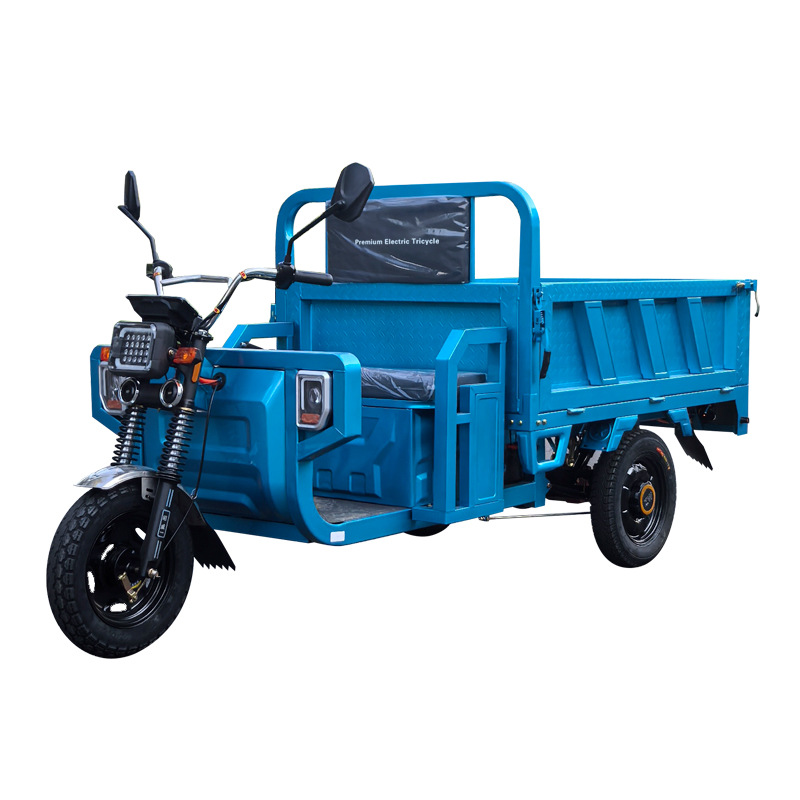
A cargo tricycle is a working tool. The buyer is usually a distributor supplying small traders, a delivery fleet that measures uptime in trips per day, or a municipal contractor moving goods over short distances. That buyer does not need a lifestyle photograph; they need to know whether the box fits their loads, whether the chassis survives their roads, and whether the spare parts will still be available when the first axle wears out.
This page is not a retail listing. If you are looking for one vehicle for personal use, a local dealer will serve you better. It is written for the person who sends a specification, asks for samples, approves a batch and then plans the next container. Our role sits on the buy side: we are a China sourcing agent and freight forwarder, not a tricycle factory. That distinction matters because it lets us compare several plants against one specification instead of defending a single catalogue.
The wider category is mapped on our electric motorcycle, e-tricycle and spare parts sourcing page, which covers the whole cluster. This product page goes narrow on purpose: the cargo vehicle itself.
Reading the Demand Signal Honestly
Public reporting gives a clear direction without giving a usable monthly search number. Associated Press reported that African imports of electric two- and three-wheelers from China in the first half of 2026 were worth roughly 114.6 million US dollars, about 60 percent higher year on year. Chinese state media reported that electric tricycle exports from Xuzhou, a major production cluster, rose roughly 90 percent in the same period, with related parts output around 160 million yuan. These are third-party figures about trade flows, not our own order data and not a forecast for your market.
We mention them for one reason only: the growth is concentrated in working vehicles, and working vehicles generate a parts business. A buyer who reads a headline and orders a container without a fitment file usually discovers the cost in the second month, when a rear axle or controller fails and nothing in stock matches. Our Africa sourcing guides and global sourcing guides describe how destination conditions change the specification.
We have deliberately left out a widely circulated growth percentage that we could not reconcile with those public sources. A sourcing page that quotes a number it cannot defend is not useful to a buyer who has to defend a purchase order internally.
One Vehicle, Three Commercial Layers
Experienced importers do not evaluate a cargo tricycle as a single transaction. There are three layers, and a quotation that addresses only the first one is incomplete.
The vehicle. Configuration, finish, packaging and loading. The accompanying parts. The wear items and electrical spares that travel with the first shipment so the dealer can honour early warranty claims. The reorder line. A stable, model-matched parts supply for the years afterwards, which is where margin is usually made. Our guide to consolidating two-wheeler spare parts explains how those layers are kept on one SKU register.
Ask any supplier how they handle layer three. A factory that can only answer for layer one will leave you rebuilding a parts list from scratch after the first season.
The Configuration Sheet Is the Real Product
Before anyone quotes, we put the vehicle into a written sheet with a version number, a named reference sample and a retained photograph set. Every row below is a decision the buyer confirms, not a number we invent for a listing. Where a value depends on the selected model or the destination, it is recorded as “to confirm” until the supplier returns it in writing.
| Line | What the enquiry must state | Why it changes the offer | Evidence to approve |
|---|---|---|---|
| Cargo box | Open, drop-side or enclosed; internal length, width and wall height; tailgate and hinge arrangement | Changes the chassis length, centre of gravity and how many units load into a container | Dimension drawing tied to the reference sample, with tolerances |
| Payload class | The load your routes actually carry, and whether the vehicle is rated for goods only or mixed use | Drives frame section, spring pack, axle and brake choice | Rated load stated in the supplier specification, not in a sales message |
| Rear axle and drive | Differential type, gear ratio family, half-shaft interface and how it mates to the motor | Determines hill behaviour, parts availability and whether a local replacement will fit | Fitment drawing and a matched component list; see our rear axle and drivetrain guide |
| Braking | Front and rear brake type, drum or disc interface, parking brake arrangement | Safety-critical and the most common source of a wrong replacement part | Interface photograph plus part number of the wear item |
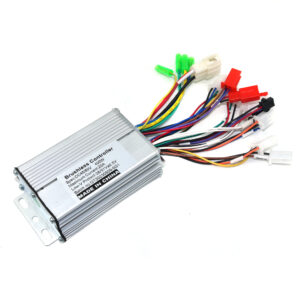
| Electrical platform | System voltage family, controller and display protocol, charger type and connector standard | Decides which spares are interchangeable across your fleet | Wiring diagram and connector pinout; see the controller matching checklist |
| Body and finish | Colour, corrosion protection, decals, whether retail artwork is required | Affects packing, carton protection and branding workflow | Approved colour sample and artwork file; our private label service covers the artwork route |
| Destination evidence | Which approval and registration documents your market requires | Decides whether a given configuration can be imported at all | A destination checklist agreed before production, not after loading |
Note the last column. Compatibility is a test result or a drawing, not an adjective. A supplier who answers a fit question with “heavy duty” or “universal” has not answered it.
What a Comparable Quotation Actually Contains
We do not publish prices here, and we would be cautious of any page that does for a configurable vehicle. A quotation is only comparable when the surrounding terms are identical. We ask each screened supplier to state the configuration version, the incoterm and named port, the packing method and carton or crate count, the loading plan, the spare parts included with the shipment, the document set that will be issued, the sample and batch approval route, and the after-sales parts list.
Who carries import responsibility is part of that comparison. Our DDP shipping page sets out how the importer of record and duty allocation are written into the term; the import documents checklist lists the four document layers by destination. Neither page assumes that a rule applying in one country applies in another.
Four Document Layers, Not One Folder
Complete vehicles attract more paperwork than a box of parts, and suppliers often present a single folder labelled compliance that answers only one layer. Sorting the file is a meaningful part of what a sourcing agent does.
| Layer | Question it answers | Evidence to request before production |
|---|---|---|
| Trade and shipment | What the consignment is, how it is packed and who imports it | Commercial invoice, packing list, bill of lading, certificate of origin where required, and a named importer of record |
| Vehicle approval | Whether this configuration may be registered for road use in the destination | Model-identifying documents, any type-approval or conformity evidence your authority requires, and the VIN list matched to the shipped units |
| Battery transport | How the energy storage is classified and declared for carriage | Applicable test summary and safety data sheet, the dangerous goods declaration where the carrier requires one, and the packing instruction followed; see lithium battery shipping documents |
| After-sales file | How a warranty claim is matched to a part two years later | Versioned parts list, fitment cross-reference and a named reorder path |
Requirements differ by destination and change over time. We write them as “confirm by destination” and never print an effective date, a penalty, a duty rate or a certificate number on a product page.
Inspection Before Loading, Not After Arrival
A pre-shipment check on a vehicle is different from a check on a small consumer good. We agree the sampling plan at SKU level, confirm the configuration against the versioned sheet, verify that the VIN list matches the units present, check weld and paint quality, confirm the brake and electrical interfaces against the drawing, and supervise loading so carton marks and the packing list agree. Our pre-shipment inspection service and factory verification process describe how that evidence is recorded.
Where a first order is deliberately small, our small-batch sourcing route explains the trade-offs. Larger mixed orders of vehicles and parts can be assembled through our multi-factory consolidation approach and custom packaging service.
Questions Buyers Ask First
Can you tell me the price before I give you a specification?
A configurable working vehicle has no honest single price. Send the market, the configuration lines above, the quantity breaks and the shipping term, and we will return comparable offers from screened suppliers rather than a number that changes at the first revision.
Are you the factory?
No. CinoSourcing is a China sourcing agent and freight forwarder working on the buy side. We compare plants against your specification, coordinate samples, inspection and documents, and arrange freight. Factory identity and evidence are shared as part of the quotation process through our factory verification service.
Do you guarantee the vehicle is road-legal in my country?
No, and no responsible supplier should. Registration and approval depend on the exact configuration and the destination authority. We build a document checklist with you before production and confirm the required evidence by destination.
Can I mix cargo tricycles and spare parts in one shipment?
Usually yes, and it is often the sensible first order. We keep one SKU register and one carton mark system so the parts can be identified when a warranty claim arrives. The consolidation process is described in our spare parts guide.
What happens when a rear axle or controller fails after the first season?
That is why the after-sales file exists. We record the fitment cross-reference and the reorder path before the first shipment, so a replacement is matched to your model rather than guessed from a photograph.
Explore more sourcing categories, read the service overview, or check the FAQ. Direct line: contact page.
Need a Quote? Message Us on WhatsApp
You have reached the end of the configuration, so here is the direct line. Send your market, cargo box and payload requirement, quantity breaks and the documents your channel expects, and our sourcing team will return comparable offers, sample choices and a freight plan.
Chat on WhatsApp → Use the Quote Form
WhatsApp and phone: +86 186 7676 3055 | Email: info@cinosourcing.com
It helps to name the box type, the load your routes actually carry, whether enclosed or open body, the voltage platform, the destination port and which approval or battery documents your buyer requires. A photograph, a supplier link or a screenshot of the current listing is plenty to begin. No obligation and no long form.


Reviews
There are no reviews yet.