

Why This Product Sells
A pluggable optical transceiver is the part that decides whether an expensive AI rack actually comes online. Every high-speed link between switches, and between a switch and an accelerator node, needs a module at each end. If one port will not train, reports false diagnostics, or drops under sustained load, the whole fabric waits. That makes this a component bought on evidence rather than on a specification sheet, and it is why a sourcing and freight partner has something useful to say about it.
Demand in this category is no longer a forecast. Public customs figures reported for 2026 showed China’s optical module exports climbing sharply in both value and average unit price, with the increase attributed to higher-speed products rather than to volume alone. Market researchers put modules at 800G and above at well over half of global shipments this year, against a small fraction two years earlier, and describe the AI optical module market as growing by more than half year on year. The build-out behind those numbers is structural: training clusters keep adding accelerators, and every added accelerator adds network ports.
We chose 800G for this page deliberately. It is the generation now shipping at scale, with mature pluggable form factors, an established standards base and a deep unbranded supply chain in Shenzhen, Wuhan and Suzhou. A buyer can order samples, test them on the actual switch, approve a batch and reorder with a comparable specification. The next generation is a different commercial situation: the standard was still in draft at the time of writing, supply sits with a small number of qualified vendors, and most volume goes to hyperscale operators buying directly. Writing a wholesale page around it today would produce enquiries nobody can fulfil.
Complete GPU server racks are an even worse first product for an independent sourcing page. They sit inside brand authorisation, export-control and after-sales arrangements that a trading intermediary cannot casually take on, and the compliance position changes by destination and end use. Liquid cooling hardware and coherent long-reach optics are real opportunities, but each needs its own technical page and its own supplier audit. This page is about the one part of the stack where an intermediary can genuinely add value today.
The audience is narrow and easy to recognise: regional distributors and system integrators supplying data centre projects, internet service providers, enterprise network teams refreshing a spine, and hardware resellers who need compatible modules under their own label. They are not browsing. They are writing a request for quotation, comparing part numbers, and asking who will stand behind a batch when a link fails. This is a sourcing brief for them, not a product review and not an explainer about how fibre works.
Search volume for the generic phrases here is modest next to consumer AI hardware, and that is fine. The large headline numbers belong to chip brands, GPU model names, data-centre news and stock-market stories, none of which a component supplier can rank for or lawfully use. What is left is a small pool of high-intent procurement language. One page, one main phrase, and a document set that answers the questions a real buyer asks before releasing a purchase order.
Key Specifications
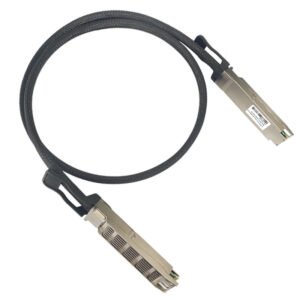
Fix four variables before asking for a price, because a single word in a listing can describe several different objects. Form factor (the two common high-speed pluggable cages are not interchangeable), reach and fibre type (short multimode inside a row, parallel singlemode between rows, or coherent long-reach between sites), temperature grade, and the target switch platform plus its firmware level. If any one is missing, three quotations will describe three different products and none can be compared.
Then separate the physical module from everything that makes it work in a live network. We use the responsibility matrix below when we compare workshops.
| Layer | What must be specified | Evidence to request before approval |
|---|---|---|
| Optical and electrical platform | Form factor, lane architecture, fibre type, reach, connector type and polish, temperature grade, power class, diagnostic monitoring | Versioned specification, approved sample, optical power budget, connector and polarity drawing |
| Coding and platform compatibility | Target switch family and firmware, vendor identification written to the module’s memory, part number and serial scheme, behaviour after a firmware upgrade | A module tested on the named platform, readback of the identification and diagnostic values, written re-validation policy |
| Test and batch consistency | Per-unit functional test, transmit and receive power, error-rate result, thermal soak, burn-in, batch traceability, dead-on-arrival and return path | Per-batch test report with serial range, sample retaining policy, written return and replacement terms |
| Regulatory and shipping documents | Electromagnetic and material conformity, laser product reporting and labelling, destination-market filings, import classification | Model-matched declarations, current laser classification report, label artwork and manual, broker-confirmed classification |
We deliberately do not print wavelengths, reach distances, power figures, diagnostic thresholds or error-rate numbers on this page. Those belong to one platform revision and one approved configuration, and they change between sample and mass production. Ask for a versioned specification sheet, then test the module in your own switch: link training, sustained traffic, diagnostic readback, thermal behaviour, and a clean removal and re-insertion. A module that lights up is not the same as a module that reports honestly.
A third-party compatible module is not a counterfeit, and the distinction matters commercially. Pluggable optics are built to open multi-source and IEEE standards, and a compatible part is programmed to identify itself correctly to the host platform. What separates a good one from a bad one is whether the identification was written for your exact platform, whether digital diagnostics report real values rather than placeholders, whether every unit was tested at full rate, and whether the supplier will honour a return. Ask for those four things in writing. What you must not do is present a compatible module as a factory-original part, put another company’s mark on it, or copy its label artwork. That turns a legitimate cost-saving product into a trademark problem.
Warranty deserves its own sentence. A switch vendor generally keeps the warranty on its own hardware, but may decline or charge for support when it concludes that a third-party optic caused the fault, and some service contracts name the brand of every component. Consumer-protection arguments about third-party parts do not normally reach enterprise networking equipment. Settle support scope, spare holding and the return path before a rack’s worth of modules is committed, not after a link goes down.
MOQ and Lead Time
There is no honest universal number here, so we do not print one. Quantity and lead time depend on the route, and comparing routes on unit price alone hides the parts that grow later. Ask every supplier to classify your requests into one of the routes below and quote them separately.
| Route | What you actually get | What you take responsibility for |
|---|---|---|
| Standard compatible module, existing coding | An established platform, stocked part number, standard label and retail or bulk packaging | Confirming the coding matches your switch, and accepting the supplier’s standard test package |
| Coding, label and packaging configuration | Platform-specific identification, your part number and serial scheme, your artwork, bulk or retail packing | Re-validation on the target platform after any firmware change, and control of the artwork and part-number master |
| Modified optical or firmware configuration | Selected reach, connector, temperature grade, power or diagnostic behaviour agreed with the workshop | Full re-testing, updated declarations, new laser classification evidence, lifecycle ownership |
Then require the quotation to be itemised. One all-in unit price makes three suppliers impossible to compare and hides where the real cost sits.
| Line on the quotation | Why it must be separate |
|---|---|
| Module unit price at each quantity break | Makes three suppliers genuinely comparable |
| Platform coding and re-validation work | An engineering commitment that repeats after firmware upgrades |
| Label, artwork, serial scheme and packaging | Different minimum quantities and lead times from the device |
| Per-unit and per-batch test reports | The evidence your customer will ask for on delivery |
| Laser classification, declarations and filings | Model-specific, and a certificate for one variant may not cover another |
| Samples, inspection, rework, spares and returns | Separates the factory quote from the total cost of ownership |
| Freight, insurance, duties and destination delivery | Separates the factory quote from the landed cost |
Supply risk is real in this category and worth raising early. Reports through 2026 describe tight supply of key laser and optical chips, long-term agreements that lock capacity with the largest buyers, and order books stretching well beyond the current quarter. That has two practical consequences for a smaller buyer. First, ask which chipset and revision the quoted batch uses, and whether a shortage would trigger a silent substitution; make any change subject to written approval and re-testing. Second, insist on batch and serial traceability so a field problem can be traced to one production run rather than to your whole order. We verify the workshop and its paperwork before a deposit moves.
Also put the grey market on the table. Refurbished, relabelled or reclaimed modules circulate alongside new stock, and a low price is sometimes a batch with no test history. Ask for the manufacturing date, the test record tied to the serial range, the dead-on-arrival policy and where a failed unit physically goes. A written answer here is worth more than a longer warranty claim on a listing.
Shipping and Delivery
Four separate document families are in play, and a paper for one never covers another. The first is ordinary electromagnetic, safety and material conformity. The second is laser product reporting, which is its own regime because these modules contain a laser source. The third is the platform and batch evidence your customer needs to accept the goods. The fourth is the import classification and destination-market paperwork determined from the actual product.
| Document set | Who normally issues it | What to check |
|---|---|---|
| Electromagnetic and material conformity | Accredited laboratory, manufacturer declaration | Exact model and revision, current report, restricted-substance and take-back labelling for the destination market |
| Laser product reporting and labelling | Manufacturer, with a qualified local representative where required | Current classification report against the fibre-optic port standard, filing evidence, label artwork, English user documentation, and a coherent set where all four agree |
| Platform and batch evidence | Workshop test and quality team | Serial-range test report, diagnostic readback, burn-in record, sample retention, dead-on-arrival and return terms |
| Import and destination papers | Licensed customs broker, local authorised representative where required | Classification decided from the real product, country-specific approvals, consignee and end-use declarations, duty treatment |
Laser reporting is where otherwise competent suppliers get caught out. Published industry guidance through 2026 describes tightened US requirements for optical transceivers with integrated laser sources, tying import eligibility to electronic filing, classification, labelling, user documentation and performance-test evidence, with closer consistency checks against the current laser standard. CE marking does not substitute for it, and a general laser standard is not a substitute for the standard covering emissions from a fibre-optic port. Ask for the classification report, the label artwork, the manual and the filing evidence as one consistent set – a mismatch between them can hold a shipment even when the hardware is fine. Because this area changes, have a qualified local adviser or licensed broker confirm the current requirement for your exact model and destination before the goods move. We are a sourcing and freight partner, not a certification body and not legal counsel.
Export control and end-use screening belong in the same conversation. A component being outside a particular restricted list does not make every shipment, destination and end user automatically clear. Screening depends on the model, the chipset, the consignee, the declared use and the country of delivery, and it should be confirmed by a qualified compliance adviser. We do not print classification codes, control numbers, duty rates or licence numbers on a product page, and we do not give legal opinions; those belong in a shipment file prepared for the actual transaction.
Packing is a technical requirement, not a cosmetic one. These are electrostatic-sensitive, moisture-sensitive devices with exposed optical interfaces. Ask for antistatic and moisture-barrier packing, dust caps on every port, a desiccant and humidity indicator where the grade requires it, and a label that survives the journey. Connector polish and fibre polarity should be confirmed against your existing cable plant before the order, because a mismatched trunk can look exactly like a dead module. We align bulk and retail packaging with the channel before production starts.
On the freight side, this is where a consolidator earns its keep. Modules, cables, spare parts, labels and printed manuals often come from several workshops, and a project may also include power supplies or server accessories that carry their own battery documentation. We consolidate in Shenzhen and ship under one entry, check the packing list against the approved sample, run pre-shipment inspection, and arrange duty-paid door-to-door delivery where required. Destination rules differ: some markets require a product conformity certificate before the vessel arrives, others route through free zones or re-export schemes, and SABER-type processes or free-zone re-export rules need to be settled before booking. Our landed cost guide explains why classification belongs in the quotation rather than in a product description. For hardware resellers we can also route single orders directly.
Get a Factory Quote
Send us the destination market, the switch platform and firmware level, the form factor, the fibre type and reach, the temperature grade, the connector type and polish, the coding and part-number scheme, the label and packaging scope, the documents your project requires, the quantity breaks to price, and whether you need samples on the target switch before committing. A part number or a screenshot of the current link is enough to start.
We will come back with comparable quotations from vetted workshops, sample arrangements, a version-matched document check, a batch test and inspection plan, and a consolidated door-to-door freight option. Our role is to make the workshop, the coding and test evidence, the regulatory file and the shipping route accountable to one party. Here is how our sourcing process works if you have not used an independent agent before. Get a quote, or use the WhatsApp buttons above and below.
Frequently Asked Questions
Is 800G the same product as the next generation at 1.6T?
No. They use different lane signalling, different optical tolerances and, in many cases, different thermal budgets. At the time of writing the next generation was an early-production category with a standard still in draft, while 800G was shipping at scale with mature pluggable form factors. Name the generation in the enquiry or the quotations will not be comparable.
Are third-party compatible modules counterfeit, and do they void a switch warranty?
A properly built compatible module follows open multi-source and IEEE standards and is programmed to identify itself to the host platform; it is not a counterfeit as long as nobody puts another company’s mark on it. Switch vendors generally keep their own hardware warranty but may decline or charge for support when a third-party part appears to be the cause. Check your service contract and agree the return path with the supplier before ordering.
Is CE, FCC or RoHS documentation enough to import these modules?
No. Those address the electromagnetic and material layer. A module with an integrated laser source also sits under laser product reporting, classification, labelling and user-documentation rules, and those were tightened for US imports during 2026 according to published industry guidance. Add batch test evidence and a destination-specific classification on top. Four layers, four sets of evidence.
Can one set of documents cover several export markets?
No. Laser filing, authorised representative, labelling, language and conformity procedures are country-specific, and classification is decided from the real product by a licensed broker. Some destinations require a product certificate before the goods arrive, while others use free-zone or re-export routes. Start with your largest market, then plan the rest with a qualified local adviser.
What should I send to get comparable quotes?
Switch platform and firmware, form factor, fibre type and reach, temperature grade, connector and polish, coding and part-number scheme, label and packaging scope, required documents, and quantity breaks. If any are undecided, say which ones and we will price the routes separately rather than guess.
Need a Quote? Message Us on WhatsApp
You have reached the end of the product details, so here is the direct line. Send your switch platform, form factor, reach and quantity to our sourcing team and we will come back with comparable quotations, sample options and a shipping plan.
Chat on WhatsApp → Use the Quote Form
WhatsApp and phone: +86 186 7676 3055 | Email: info@cinosourcing.com
Tell us your destination market, the switch platform and firmware, the module form factor and reach, quantity breaks, coding and labelling scope, and the documents your project or channel requires. A part number or a screenshot of your current link is enough to start. No obligation, and no long form.
Reviews
There are no reviews yet.